Divorce is one of the most emotionally complex experiences a family can navigate. Even when it is the healthiest decision for the adults involved, it rarely feels that way to the children caught in the middle.
As a therapist who works with families in transition, I have sat with parents who are doing their absolute best — and still watching their children struggle. I have also sat with adults who are still carrying wounds from a divorce they experienced decades ago as children.
This post is for both.
What Children Actually Need During Divorce
Children do not need parents who never argue. They need parents who model repair.
They do not need a perfect family structure. They need emotional safety within whatever structure exists.
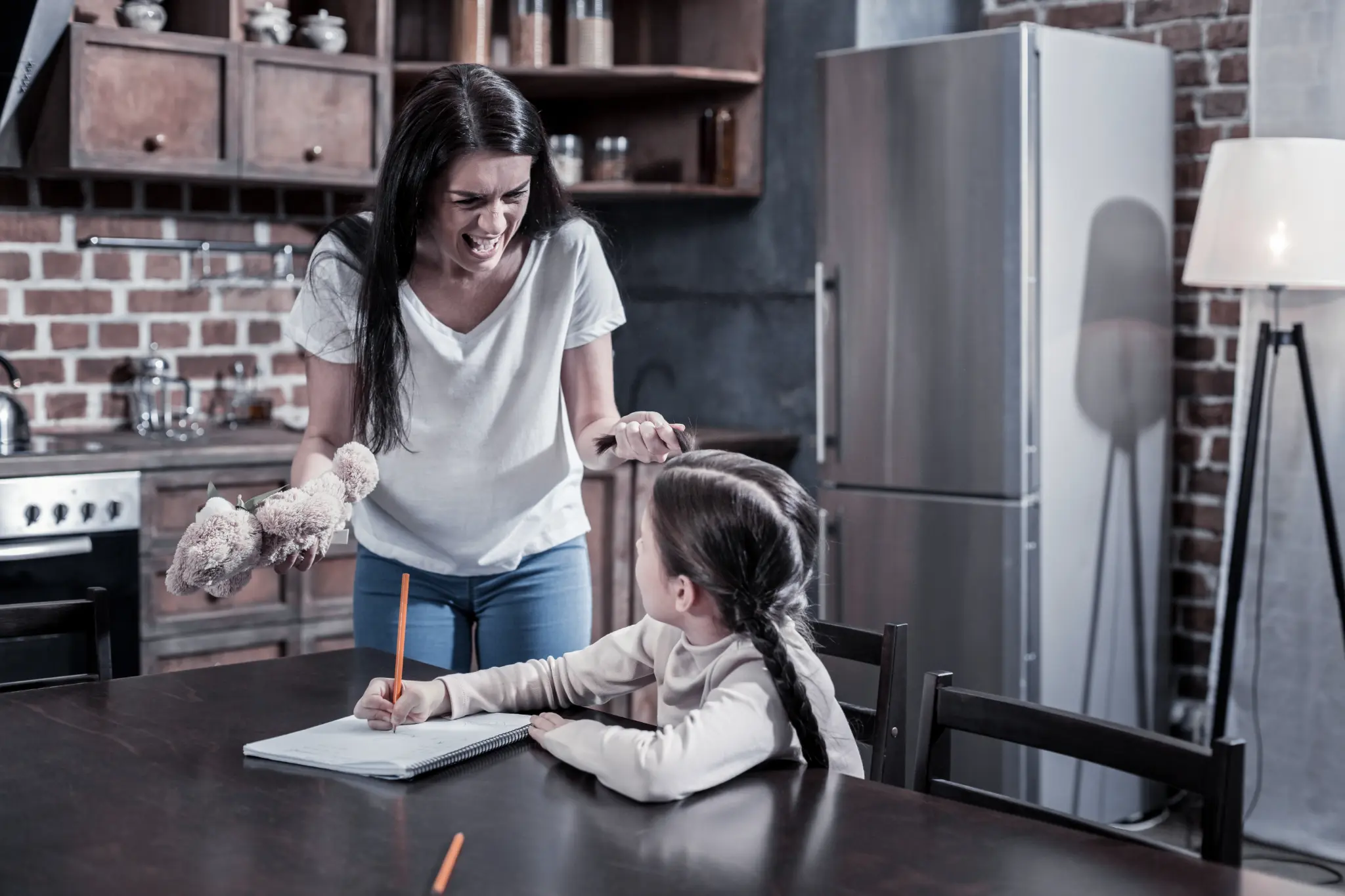
What research consistently shows is that it is not the divorce itself that causes the most lasting harm to children — it is the level of conflict they are exposed to, and the degree to which they feel caught between two people they love.
Children are deeply loyal. When parents speak negatively about each other, use children as messengers, or make children feel they must choose sides, it creates an internal conflict that can take years — sometimes decades — to untangle.
The Hidden Weight Children Carry
Children of divorce often carry invisible burdens:
- Guilt: Many children, especially younger ones, believe the divorce is somehow their fault.
- Loyalty conflicts: Loving one parent can feel like a betrayal of the other.
- Grief: Children grieve the family they had — or the family they hoped for.
- Anxiety: Uncertainty about the future, living arrangements, and parental wellbeing creates chronic low-grade fear.
- Parentification: Some children begin to take on emotional caretaking roles for one or both parents.
These experiences don't always look like distress. They can look like a child who is "fine" — quiet, compliant, and overly mature. That child may be managing more than any child should have to.
What Healthy Co-Parenting Looks Like
Co-parenting after divorce is not about liking your ex-partner. It is about committing to a shared purpose: the wellbeing of your children.
Healthy co-parenting involves:
- Keeping children out of adult conflict — Children should never be used as messengers, spies, or emotional support for a parent's grief about the divorce.
- Consistency across households — When possible, shared expectations around bedtime, homework, and discipline reduce children's anxiety.
- Speaking respectfully about the other parent — Children internalize messages about their parents. When you speak poorly of their other parent, they often hear it as a message about themselves.
- Supporting the child's relationship with the other parent — Unless there is genuine safety concern, children benefit from having full, loving relationships with both parents.
- Attending to your own healing — A parent who is processing their own grief, anger, and loss is better equipped to show up for their children.
When Children Need Additional Support
Not every child will need therapy after a divorce. But some will.
Signs that a child may benefit from professional support include:
- Significant changes in behavior, mood, or academic performance
- Regression to earlier developmental behaviors (bedwetting, clinginess, baby talk)
- Withdrawal from friends, activities, or things they previously enjoyed
- Expressions of hopelessness, worthlessness, or persistent sadness
- Somatic complaints (stomachaches, headaches) without medical cause
- Anxiety about transitions between households
Therapy for children during divorce is not about fixing the child. It is about giving them a safe space to process what they are experiencing — with someone who is not part of the conflict.
A Note for Parents
If you are going through a divorce, I want you to know: seeking support for yourself is one of the most important things you can do for your children.
When you are regulated, your children have a better chance of being regulated. When you are healing, you model for them that healing is possible.
You do not have to be perfect. You do not have to have all the answers. You simply have to keep showing up — with honesty, with warmth, and with a commitment to protecting your children from the weight of adult pain.
Love, even when it divides, can still be the foundation from which children grow.